In August of this year, I had the opportunity to interview the British band Suede for the legendary Creem Magazine. It was incredibly meaningful to me as a longtime fan, and admittedly a bit nerve-wracking since it was my first published interview and I didn’t want to come across as an idiot in the process. I spent a couple of weeks researching (which mostly meant listening to the new album and revisiting their entire catalog, hardly a hardship) and crafting what I hoped were thoughtful, informed questions.
I was fortunate enough to get time with both Brett Anderson and Mat Osman, and the conversation flowed naturally as we covered everything from their early days as teenage friends discovering post-punk in their bedrooms, to their ’90s heyday, the breakup and reunion, and the remarkable run of new material that continues to evolve and impress.
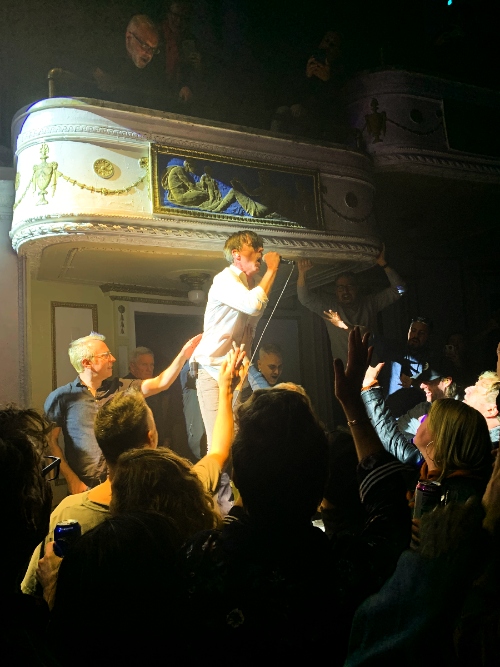
Suede at the Orpheum Theater in Boston, November 2022 (credit – me)
My final task as part of this process was to write an introduction to frame the interview and humanize the band by sharing my own relationship with Suede’s music. As expected, that introduction was edited for length and focus in the final piece, which I fully understand and respect.
For those who are interested, I’m sharing the original version of that introduction here. It reflects the personal context I felt was important going into the conversation and serves as a record of how I approached the interview before it was shaped for publication. It’s wordy and omits some elements of the band’s history that others may feel strongly about, but I want to preserve it here for posterity.
Original Introduction Draft
Suede have always operated differently than their peers. Well dressed and sexual, they burst on to the London music scene in the early 1990’s like a blast of lipstick and champagne. Suede set the standard for the aesthetic that subsequent bands would chase for the next 20 years. The key difference between Suede and the bands that followed is their rare combination of exceptional artistry and technical brilliance. They pushed their music to be singable beyond the lyrics, crafting riffs that burrowed deep into the auditory complexes of a generation of young fans. Transcendent is over-used but it’s apt in this case. Considered by Q Magazine in 1994 as the heirs to Bowie’s throne, Suede, though yet to achieve the same level of global sales, have, like Bowie, continued to evolve and reinvent themselves.
Personally, Suede have been a favorite band of mine going back to the’90s. I was part of the Boston punk and hardcore scene in my youth but as I aged, music entertainment for my social circle graduated from afternoons in basement venues to nightclubs. It wasn’t just about drinking beer in parks anymore; the soundtrack of our young adulthood became based around Brit-pop and electro dance music coming from Europe, with all the social chaos that came with it: girls, drugs, and nights that lasted for an entire weekend. Suede’s sound fit perfectly into that strange new landscape: glamorous, edgy, and defiant. They felt like the perfect bridge between the fading rock rebellion of my hardcore days and the emerging, more stylized, fashion-forward scene.
Originally, Suede blew up in the early ’90s with a sharp glam-rock style that set them apart. They quickly became icons of Brit-pop, churning out classic albums like their self-titled debut, Dog Man Star, and Coming Up that combined theatricality with real emotional grit. But by the early 2000s, the band hit a point of exhaustion and split, with members going their separate ways.
Then came the 2010 reunion. A reformation that could have been just a nostalgic cash grab like so many others. But Suede flipped the script. They weren’t interested in just playing old hits or living in the past. Instead, they used that fresh start to push their sound forward, releasing a string of albums that evolved and deepened their identity. Each record feels like an honest progression, not a retread.
Now, with their latest album Antidepressants, they’ve doubled down on that evolution, injecting a raw post-punk energy that might make it their best work yet. It’s loud, urgent, and speaks to where they are now: seasoned, restless, and still hungry to create something vital.
One brief exchange from the interview didn’t make it into the final article, but I’ve always liked it. Beyond the fact that it includes some genuinely excellent recommendations (I now fully endorse New Dad), it captures Brett and Mat speaking not of their Suede legacy, but as art enthusiasts. Still actively engaged with music, still curious, and still plugged in to what’s cool.
Creem Magazine: Mat, I’m going to put your quote to work here—the one you gave to the Guardian about loving lost artists and one-hit wonders. Do you have any deep cuts you want to recommend to the readers?
Mat Osman: I was just talking to someone about a record called The Bishonin by an artist called Momus. It’s genuinely unusual. It’s a short story about a man adopted by a sybaritic martial arts expert and turned into a super-spy. It’s not really like anything else you’ll ever hear. That’s a no-hit wonder, but it’s a record everyone should know.
Creem Magazine: Brett, same question. Any recommendations for music or art?
Brett Anderson: There’s a new band that I like called New Dad that made a great new record. They’re my favorite new thing that I really like. So, check them out.
 L U K E